BRAND-UPLIFT
Digital Marketing Challenges and Opportunities for Small and Medium Enterprises (SMEs)
In today’s business world, digital marketing has become a must for every Small and Medium Enterprise (SME). Whether a business sells clothes, services, gadgets, home products, or anything else—customers first check everything online. This is why SMEs cannot survive without a strong digital presence. But along with benefits, digital marketing also brings some challenges for small businesses.
This article explains the biggest digital marketing challenges for SMEs, and also covers the top opportunities that can help them grow faster in 2025 and beyond.
What Are the Major Digital Marketing Challenges for SMEs?
1. Limited Budget
Most SMEs work with a very small marketing budget. Running ads, hiring professionals, buying tools—these all cost money. Because of low funds, SMEs cannot run long-term marketing campaigns like big brands.
2. Lack of Digital Knowledge
Many SME owners do not have proper digital skills. They are not aware of SEO, social media strategy, website optimization, content marketing, or analytics. This creates a gap between the business and online customers.
3. High Competition
Online competition is rising every day. Thousands of brands promote the same products or services. Small businesses often struggle to stand out among established competitors.
4. Time Management Issues
Running a business takes time. Managing social media, creating content, replying to messages, and analyzing performance becomes difficult for owners who are already busy handling operations and customers.
5. Choosing the Right Platforms
There are many platforms—Instagram, Facebook, Google, YouTube, LinkedIn, WhatsApp, Pinterest, and more. Many SMEs get confused about where to invest time and money, which leads to poor results.
6. Difficulty in Measuring Results
Without proper analytics knowledge, SMEs fail to track ROI (Return on Investment). They don’t know which campaigns work and which do not.
Opportunities of Digital Marketing for SMEs (2025 and Beyond)
Despite challenges, digital marketing offers huge growth opportunities for SMEs.
1. Cost-Effective Marketing
Digital marketing is much cheaper than traditional marketing. With small budgets, SMEs can reach thousands of potential customers through:
1. nstagram Reels
2. Facebook ads
3. Google search
4. YouTube Shorts
5. WhatsApp marketing
2. Targeted Audience Reach
SMEs can target customers based on:
Age , Location , Interest , Gender , Online behavior
This increases conversions and reduces wasted money.
3. Builds Brand Awareness Quickly
Using social media consistently helps SMEs build brand identity fast. A small business can become popular within months using viral content and trending posts.
4. Easy to Track Performance
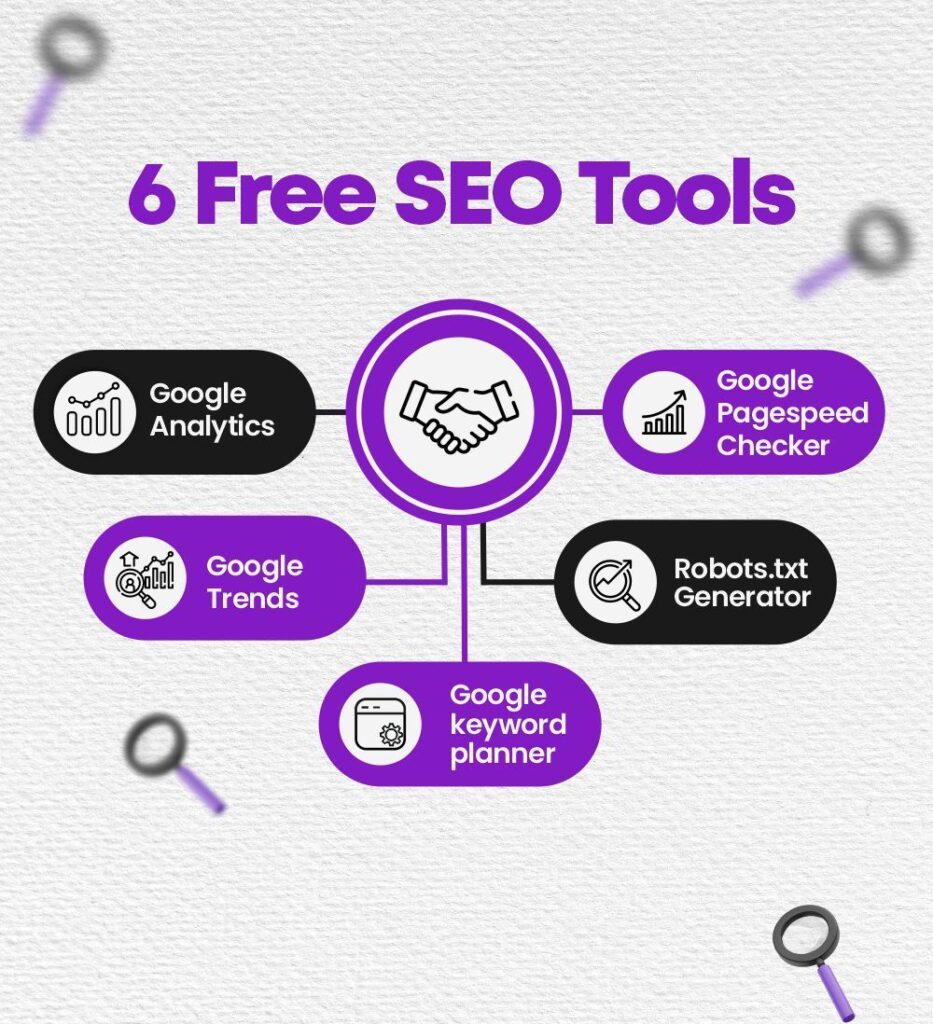
Digital tools like Google Analytics, Meta Business Suite, and SEO tools help SMEs measure everything. This makes marketing smarter and more result-oriented.
5. Opportunity to Compete With Big Brands
Digital marketing allows small businesses to compete with large companies by:
Creating better content
Offering solutions quickly
Building trust through reviews
Small brands can win customers with creativity.
6. Growth Through E-commerce
SMEs can sell online through:
Websites
Meesho
Amazon/Flipkart
Instagram Shops
Google Business Profile
This expands their market reach and increases sales.
7. Strong Customer Relationships
By using email marketing, WhatsApp updates, and social media engagement, SMEs can build long-lasting relationships with customers.
How SMEs Can Overcome Digital Marketing Challenges
Here are some simple solutions:
✔ Start with Low-Budget Marketing
Use SEO, reels, organic reach, and free tools before spending on ads.
✔ Choose Only the Right Platforms
Focus on 2–3 platforms where your target audience is active.
✔ Learn Basic Skills
Understanding simple SEO, content creation, and analytics helps a lot.
✔ Create Consistent Content
Posting daily or weekly builds strong brand visibility.
✔ Use Automation Tools
Tools like Canva, Buffer, and ChatGPT help save time and effort.
✔ Track Every Campaign
Analyze what works and keep improving.
Complete Online Marketing Mix for Small Businesses with Examples
The online marketing mix refers to a strategic framework consisting of seven key elements—Product, Price, Place, Promotion, People, Process, and Physical Evidence—that help businesses plan and execute a strong digital strategy. This expanded model builds on the traditional marketing mix (4 Ps) to include additional components that are essential in today’s online and service-oriented world. Each P serves a different purpose and collectively they guide businesses in making effective decisions to attract, satisfy, and retain customers.
Product is about the goods or services a business offers, but in the online context it also includes digital aspects such as user experience, design quality, customisation options, and value-added features that meet customers’ expectations. Successful online products go beyond mere functionality—they provide real solutions to customer needs and differentiate the brand from competitors.
Price influences both demand and profitability. In digital markets, pricing can be dynamic, competitive, and transparent, allowing customers to compare offers easily.
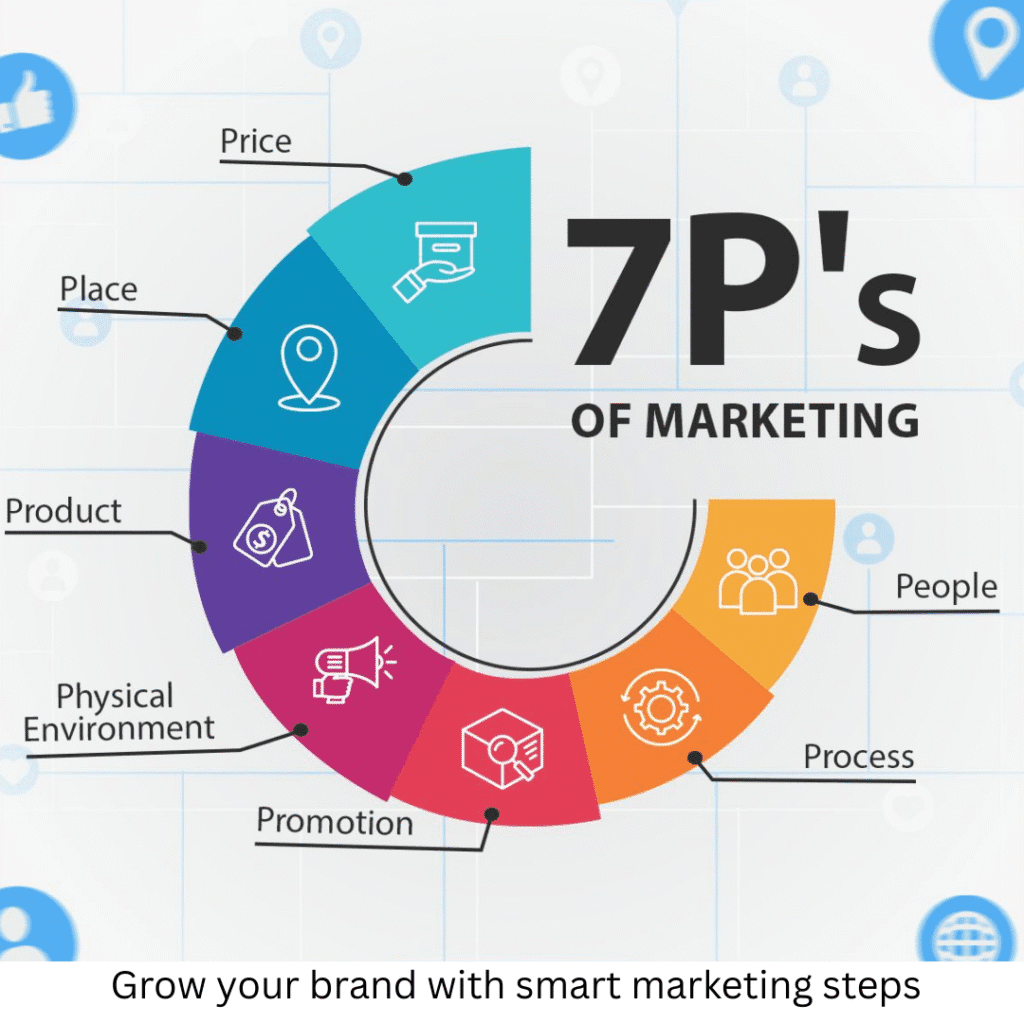
1. Product (What You Offer)
Your product can be:
A physical item (clothes, electronics, home décor)
A service (digital marketing, tutoring, salon, fitness)
A digital product (e-books, training courses)
Example:
A small clothing brand sells trendy women’s tops online. They add high-quality images, size guides, and customer reviews on their website. This helps customers understand the product better.
2. Price (How Much You Charge)
Small businesses must choose the right price to stay competitive. Online customers compare prices quickly, so pricing must be smart.
Common pricing strategies:
Discount pricing
Competitive pricing
Value-based pricing
Example:
A home décor seller offers “Buy 2 Get 10% Off” on Instagram, making customers feel they are getting a good deal.
3. Place (Where You Sell Online)
This is all about choosing the best online platforms for your business.
Possible digital places:
Your own website
Instagram Shop
Facebook marketplace
WhatsApp Store
Amazon, Meesho, Flipkart
Google Business Profile
4. Promotion (How You Advertise Online)
Promotion is the most powerful part of digital marketing. It helps small businesses reach new customers.
Online promotion includes:
Instagram Reels & Posts
Facebook ads
Google ads
Email marketing
Influencer marketing
SEO (ranking on Google)
YouTube tutorials
WhatsApp broadcast messages
5. People (Who Serves the Customers)
In online business, people play a big role in customer satisfaction.
This includes:
Customer support team
Social media manager
Delivery partners
Sales representatives
Step-by-Step Social Media Marketing Guide for SME Beginners
What Is Social Media Marketing?
Social media marketing means using platforms like Instagram, Facebook, YouTube, LinkedIn, and WhatsApp to promote your business, attract customers, and grow your brand.
It includes:
Posting content
Running ads
Replying to customers
Analyzing performance
Building relationships
The best part? Even beginners can start easily.
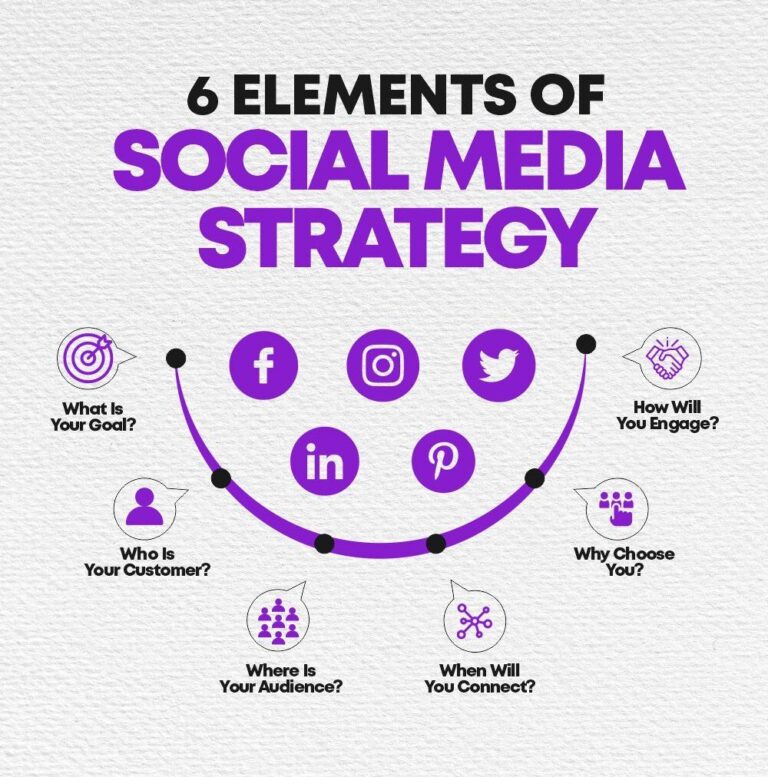
Step 1: Set Clear Goals
Before posting anything, decide what you want to achieve.
Common goals for SMEs:
Increase brand awareness
Gain followers
Generate leads
Boost website traffic
Increase product sales
Get more engagement
Example:
A boutique sets a goal: “I want 5,000 Instagram followers in 3 months and 20 orders per week.
Step 2: Know Your Target Audience
Understand who your ideal customers are.
Identify:
Age group
Gender
Location
Interests
Problems they face
What content they like
Step 3: Choose the Right Social Media Platforms
SMEs do not need to be everywhere. Choose only the platforms where your customers are active.
Best platforms for small businesses:
Instagram – fashion, beauty, home décor, food
Facebook – local shops, services, events
YouTube – tutorials, product reviews
LinkedIn – B2B services
WhatsApp – direct selling and customer support
Step 4: Create a Content Plan
Posting randomly doesn’t work. Create a proper plan.
Types of content to post:
Product photos
Reels
Tips & tutorials
Behind-the-scenes
Customer reviews
Before-after results
Trending content
Offers & discounts
Example:
A fitness trainer posts daily workout tips, Reel routines, client transformations, and motivational quotes.
Step 5: Optimize Your Profiles
A professional-looking profile gets more customers.
Optimize by adding:
Clear profile photo/logo
Simple bio with keywords
Contact details
Website/WhatsApp link
Highlights (Products, Reviews, Offers, About Us)
Example:
A clothing page uses a clean logo, a keyword-rich bio, and highlights for “New Arrivals,” “Best Sellers,” and “Reviews.”
Step 6: Post Consistently
Consistency builds trust and reach.
Posting frequency for beginners:
Instagram: 4–5 posts per week + 3–4 Reels
Facebook: 3 posts per week
YouTube: 1 video weekly
WhatsApp: 2–3 broadcasts per week
Tip:
Use tools like Canva, Buffer, Meta Business Suite to schedule posts.
Step 7: Use Hashtags and Captions
Hashtags help increase reach. Captions help convert viewers into customers.
Good hashtag mix:
5 niche hashtags
5 trending hashtags
5 location-based hashtags
Digital Marketing Benefits for Small Shops and Home-Based Businesses
Earlier, small shops depended only on word of mouth or local customers. But now, customers spend most of their time online—on Instagram, Google, YouTube, WhatsApp, and Facebook.
That’s why digital marketing gives small businesses the chance to reach people far beyond their immediate area.
1. Reach More Customers Without Huge Costs
Traditional marketing (flyers, posters, banners) is expensive.
Digital marketing is much cheaper and gives you 10x more reach.
Examples:
A home baker promotes her cakes on Instagram Reels and reaches thousands of people for free.
A small clothing shop uses Facebook ads with just ₹150 per day to bring footfall.
2. Build a Strong Online Presence
When customers search on Google or Instagram, your business appears instantly.
Benefits:
More visibility
More trust
More sales
Examples:
A home-based mehndi artist creates a Google Business Profile and starts getting local clients within a week.
3. Target the Right Audience
Instead of showing your product to everyone, digital marketing allows you to target:
Age
Location
Gender
Interests
Shopping behavior
Example:
A jewelry seller targets women aged 18–40 living in Delhi using Instagram ads.
4. Increase Sales Through Social Media
Platforms like Instagram, YouTube, Facebook, and WhatsApp are perfect for selling products.
Ways to sell:
Instagram Shop
Reels showcasing products
Live selling
WhatsApp catalog
YouTube reviews
Example:
A home-based candle maker gets daily orders by posting “Behind-the-scenes” videos on Reels.
5. Build Trust With Reviews and Testimonials
Online reviews act as proof for new customers.
You can showcase:
Customer reviews
Unboxing videos
Before–after results
Photos from buyers
Ratings
Example:
A beauty service provider posts client reviews on her Instagram stories daily, helping new clients trust her.
6. Easy to Track What Works
Digital marketing gives proper analytics so you know:
How many people saw your post
How many visited your page
How many bought your product
This helps you improve your strategy every week.
7. Grow Customer Loyalty
Digital marketing makes it easy to stay connected with customers through:
WhatsApp messages
Email newsletters
Instagram DMs
Regular updates
Example:
A home tutor sends study tips weekly through WhatsApp to keep parents engaged.
8. Compete with Bigger Brands
Even a small business can look professional online by:
Posting good content
Using clear product photos
Giving fast replies
Offering good customer service
Example:
A small skincare brand grows rapidly by posting honest tips and showcasing customer feedback—something many big brands don’t do.

Brand Uplift is a digital marketing agency focused on boosting your online presence, generating quality leads, and increasing ROI.
Useful Links
Contact Us
WZ- 79 Basai Dara Pur New Delhi - 110015
+91- 7827867828
+91 92892 70915
BrandUpliftDigitalMarketing@gmail.com
Copyright 2025, BRAND UPLIFT. All Rights Reserved.