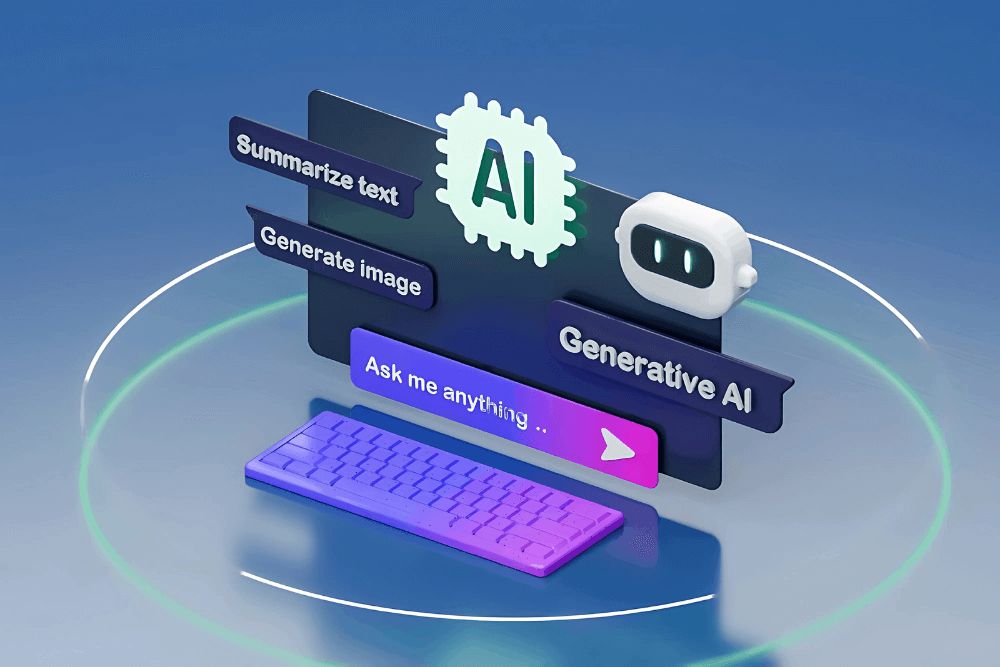
What is Generative Engine Optimization (GEO) and How It Changes SEO in 2026
In 2026, digital marketing is experiencing one of the biggest changes in search history: the rise of Generative Engine Optimization (GEO). As more people turn to AI assistants like ChatGPT, Google Gemini, Bing AI, and Perplexity for answers, traditional search engine optimization (SEO) is evolving into something new — and GEO is at the center of this transformation
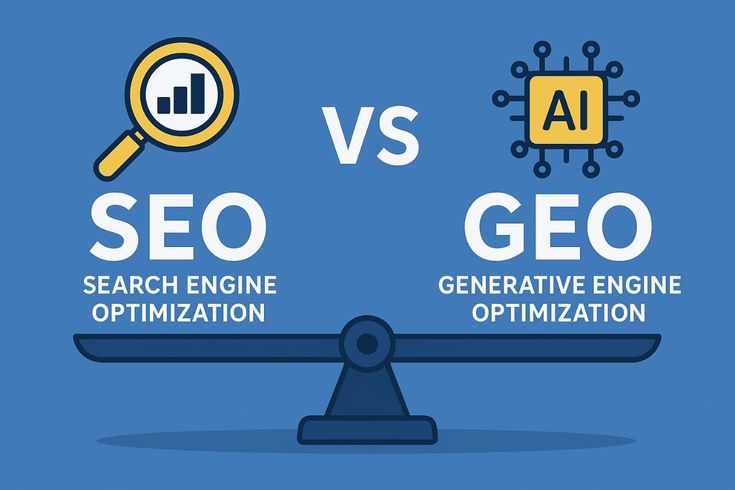
What Is Generative Engine Optimization (GEO)?
Generative Engine Optimization (GEO) is the practice of optimizing your content so that generative AI systems can find it, understand it, and cite it in their direct answers to user questions. Unlike traditional SEO — which ranks websites in lists of search results — GEO focuses on making content AI-friendly and extractable. It’s not just about being visible on Google anymore — it’s about being referenced directly inside AI-generated responses.
In simple terms, GEO helps your content show up where users increasingly get information: in chat-style summaries and conversational answers instead of a list of links.
The way people search has changed dramatically. Today, many users expect quick, complete answers without clicking through multiple websites. AI platforms now synthesize information from across the web and provide ready-to-use responses, reducing the number of users who click traditional search results.
Because of this shift:
Traditional SEO metrics like keyword ranking and click-through rates are becoming less important.
GEO focuses on how often your brand, facts, or content are cited by AI in responses.
Businesses that optimize for GEO can still be visible even if users don’t visit their website at all.
How GEO Changes the Rules of SEO
GEO introduces new priorities for digital content success:
AI-Readable Content: Content must be structured with clear headings, facts, FAQs, lists, and concise explanations so AI models can easily extract information.
Authority and Context: Great content now needs strong credibility, deep topic coverage, and real expertise, which helps AI choose your content as a source.
Zero-Click Visibility: Instead of driving people to your site, GEO helps your content be the answer, keeping your brand visible even without clicks.
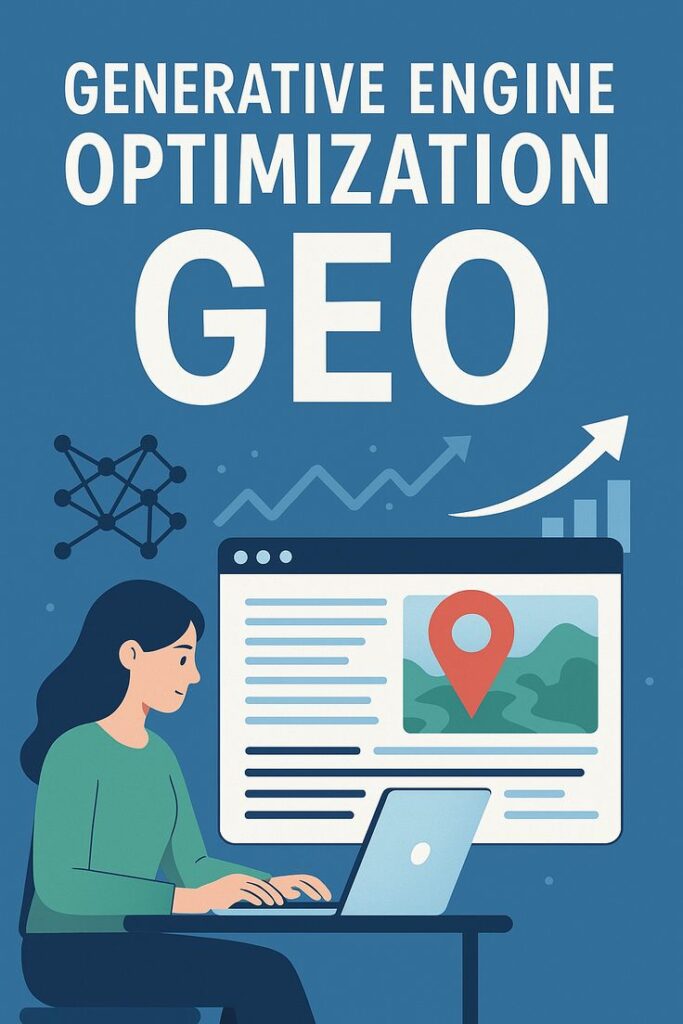
Generative Engine Optimization vs Search Engine Optimization: Differences & Which Is Better for Small Business
In 2026, the world of digital marketing is evolving fast. Alongside traditional Search Engine Optimization (SEO), a new concept has emerged: Generative Engine Optimization (GEO). As artificial intelligence becomes a primary way people search for information, small businesses must understand the difference between these two approaches and decide which one can help them grow.
What Is Traditional SEO?
Search Engine Optimization (SEO) is the classic method businesses use to get found on search engines like Google and Bing. The goal of SEO is to make a website rank higher in search results pages (SERPs) when users search for specific keywords. This involves:
Keyword research: Finding terms people search for.
On-page optimization: Including keywords in titles, headers, and content.
Backlinks: Getting links from other trusted sites.
Technical SEO: Improving site speed, crawlability, and mobile friendliness.
When done well, SEO drives organic traffic to a site and helps convert visitors into customers.
Key Differences Between GEO and SEO
Although both GEO and SEO aim to increase visibility, they differ in several important ways:
1. Goal and Visibility
SEO: Focuses on ranking pages high on search engine results to get clicks.
GEO: Focuses on being included in the body of AI-generated answers — a kind of zero-click visibility.
2. Content Style
SEO: Uses keyword-rich, well-structured content for search crawlers.
GEO: Uses structured, factual, conversational content that AI can easily extract and include in summaries.
3. Measurement
SEO: Measured by rank positions, organic traffic, and click-through rates.
GEO: Measured by how often AI generates your content or mentions your brand in responses.
Which Is Better for Small Businesses?
For small businesses, the choice between GEO and SEO isn’t necessarily “one or the other.” Both have value, but the best option depends on goals and resources:
✔ Traditional SEO Benefits for Small Business
Still drives consistent organic traffic to your website.
Helps build long-term credibility and keyword authority.
Works especially well if your business relies on local searches or online sales.
SEO remains essential for discoverability in search results pages.
✔ GEO Benefits for Small Business
Helps your brand become visible in direct AI search answers.
Requires less dependency on backlinks and technical site features.
Allows smaller brands to compete with big competitors by focusing on high-quality, structured content that AI trusts.
What Content Formats Work Best for Generative Engines Like ChatGPT for Small and Medium Businesses in 2026
In 2026, small and medium businesses (SMBs) need to rethink how they create content if they want to remain visible in the age of Generative Engine Optimization (GEO) and AI-powered search. Generative engines like ChatGPT, Google Gemini, Bing Copilot, and Perplexity don’t operate like traditional search engines — they pull answers directly from structured, clear, and AI-friendly content across the web. This means the types of content that work best today are different from what worked just a few years ago.
1. Structured Q&A (FAQs) and Direct Answers
One of the best formats for generative engines is FAQ and direct Q&A content. These formats mirror the exact way users ask questions in ChatGPT — short, intuitive queries followed by clear, concise answers. Small business blogs, service pages, and knowledge bases with this structure give AI tools a ready-to-extract answer that can appear in responses quickly.
Tips for SMBs:
Use real customer questions as headings.
Keep each answer short (40–60 words) with the core insight up front.
Include FAQ schema markup so AI and search systems understand your content better.
2. Bulleted Lists & Numbered Steps
AI engines love list formats because they are inherently clear and structured. Lists make it easy for tools like ChatGPT to read, extract, and repurpose your content into answers. Whether you’re explaining “5 Ways to Improve Local Delivery Times” or “7 Tips for Efficient Inventory Management,” lists make your content accessible to both humans and machines.
Why it works: Lists are concise, scannable, and rich in information — exactly what generative engines look for when generating answers.
3. How-To Guides and Explainers
Step-by-step how-to content remains one of the most powerful formats. These guides walk a reader from problem to solution with a clear structure that AI tools can follow and feature in answers. For example, a “How to Start a Google Business Profile” guide with numbered steps and actionable tips gives AI engines a predictable format to pull from.
For SMBs:
Break down processes into clear steps.
Add short explanations under each heading.
Use tables, checklists, or bullet points for additional structure.
4. Comparison Content & Tables
Comparison formats — like “Tool A vs Tool B” or “Online Sales Platform Comparison” — help AI engines because they present facts in clean rows and columns. These formats clarify differences and advantages in a way that can be directly quoted or summarized.
Use tables and charts to make your comparison content AI-ready. Simple headers like pricing, features, pros and cons help engines like ChatGPT pull meaningful snippets.
5. Long-Form Educational Content (with Structure)
While direct answers are important, long-form educational content still matters — especially when it is well-structured with clear headings, summaries, and data. These comprehensive articles allow AI tools to understand topics deeply and cite your content in more detailed responses.
Pro tip: Front-load the direct answer or summary at the beginning of the article, then expand into deeper insights below. This helps both readers and generative engines.
How to Optimize for AI Search in 2026
As AI-powered search tools like ChatGPT, Google AI Overviews, Gemini, and Perplexity become the go-to sources for information in 2026, optimizing your content for AI search is more important than ever. Unlike traditional SEO, AI search optimization focuses on making your content understandable and usable by large language models (LLMs) so it can be cited directly in AI-generated answers. Here’s how you can optimize effectively.
1. Start With Clear and Direct Answers
AI systems love content that begins with straightforward, concise explanations. When crafting content, start with a one-sentence answer to the main question before diving into details. This format mirrors how AI models structure responses, making it easier for them to extract your content.
For example:
What is AI search optimization?
AI search optimization is the process of structuring and formatting digital content so that AI tools can accurately interpret and reuse it in their answers.
2. Use Structured Content and Headings
Structure matters a lot in AI search optimization. Use clear headings (H1, H2, H3), bullet points, and numbered lists. These help AI engines parse sections and identify the most relevant pieces of information quickly. A table of contents at the top of long articles can also guide AI and human readers through your content efficiently.
3. Add Schema Markup and Structured Data
Implementing structured data (schema markup) helps AI systems understand the purpose and type of your content. Markups like FAQPage, HowTo, Article, and BreadcrumbList allow search platforms and AI engines to interpret your page correctly and may increase the chances your content gets pulled into AI answers.
4. Focus on User Intent, Not Just Keywords
Traditional SEO often focuses on keywords. For AI search, the emphasis shifts to user intent — understanding why people are searching and answering that intent clearly. Content that directly satisfies user questions (e.g., “how to optimize content for AI search”) is more likely to be used by AI models.
5. Use Conversational and Natural Language
AI search engines mimic human conversation, so writing in a natural, conversational tone helps. Use long-tail keywords and question-style headings that resemble how users speak or type their queries. This increases the likelihood AI tools recognize your content as relevant and contextually useful.
6. Build Credibility and Trust
Even in AI search, expertise and trust signals matter. Include clear author bios, references to authoritative sources, linked citations, and data where appropriate. AI tools tend to favor well-sourced content with transparent credentials.
7. Add Supporting Media
AI engines now use multimodal signals — images, charts, videos, and diagrams — to better understand content context and structure. Adding relevant media with descriptive alt text can help both AI systems and users understand your content more deeply.
8. Keep Content Updated and Relevant
AI search engines prefer fresh, current information. Regularly update your pages with new data, revised examples, and up-to-date insights. This not only helps with traditional search but also signals relevance to AI platforms

Brand Uplift is a digital marketing agency focused on boosting your online presence, generating quality leads, and increasing ROI.
Useful Links
Contact Us
WZ- 79 Basai Dara Pur New Delhi - 110015
+91- 7827867828
+91 92892 70915
BrandUpliftDigitalMarketing@gmail.com
Copyright 2025, BRAND UPLIFT. All Rights Reserved.